
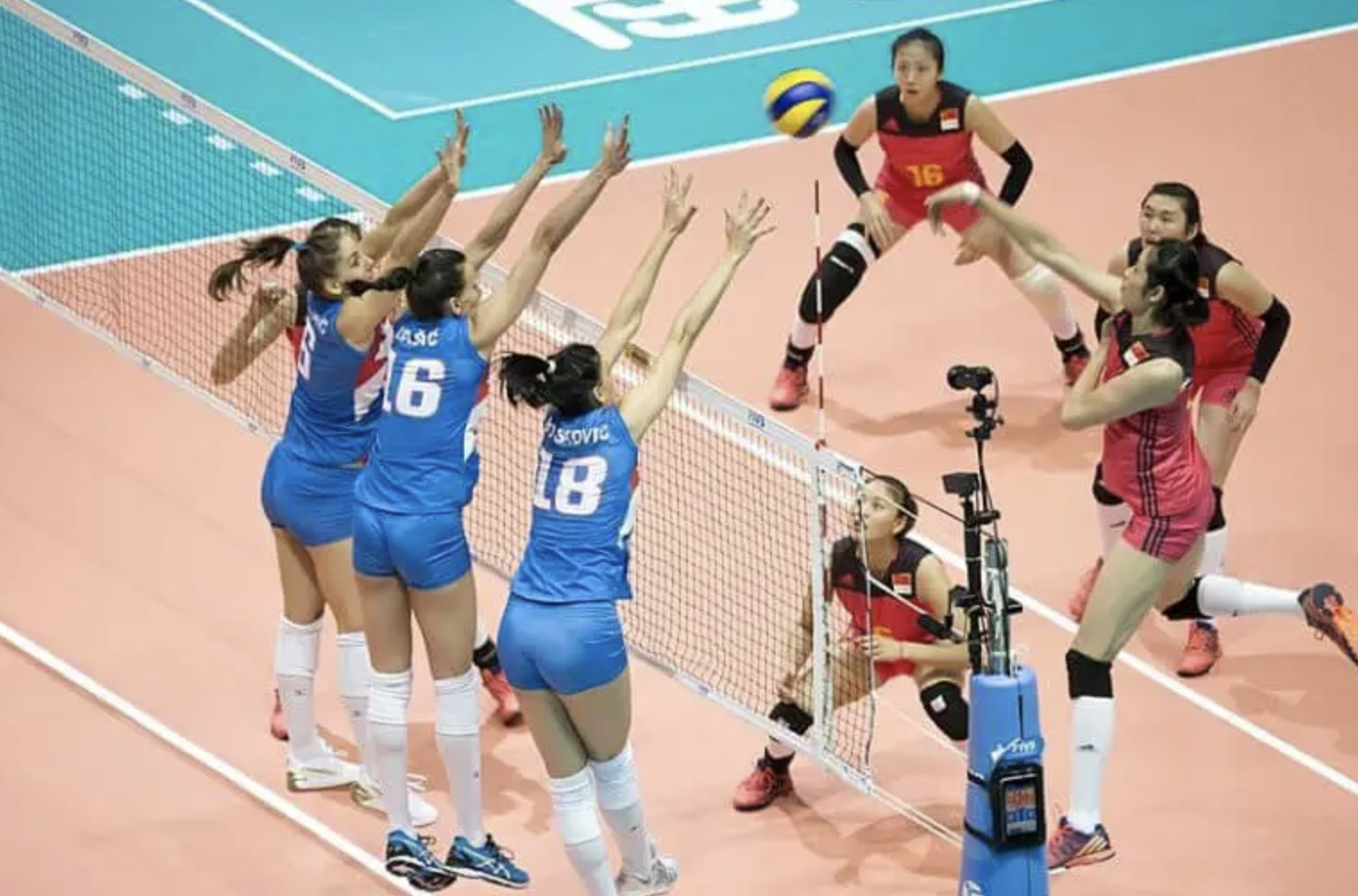
Blocking is the first line of defense in any team defensive system. Although the number of stuff blocks will be few, if you can deflect the attack to a backcourt teammate or channel the attack to a defender, your ability to score from a serve is increased. In this video, the skill is broken down so the players can work on specific aspects of the skill.
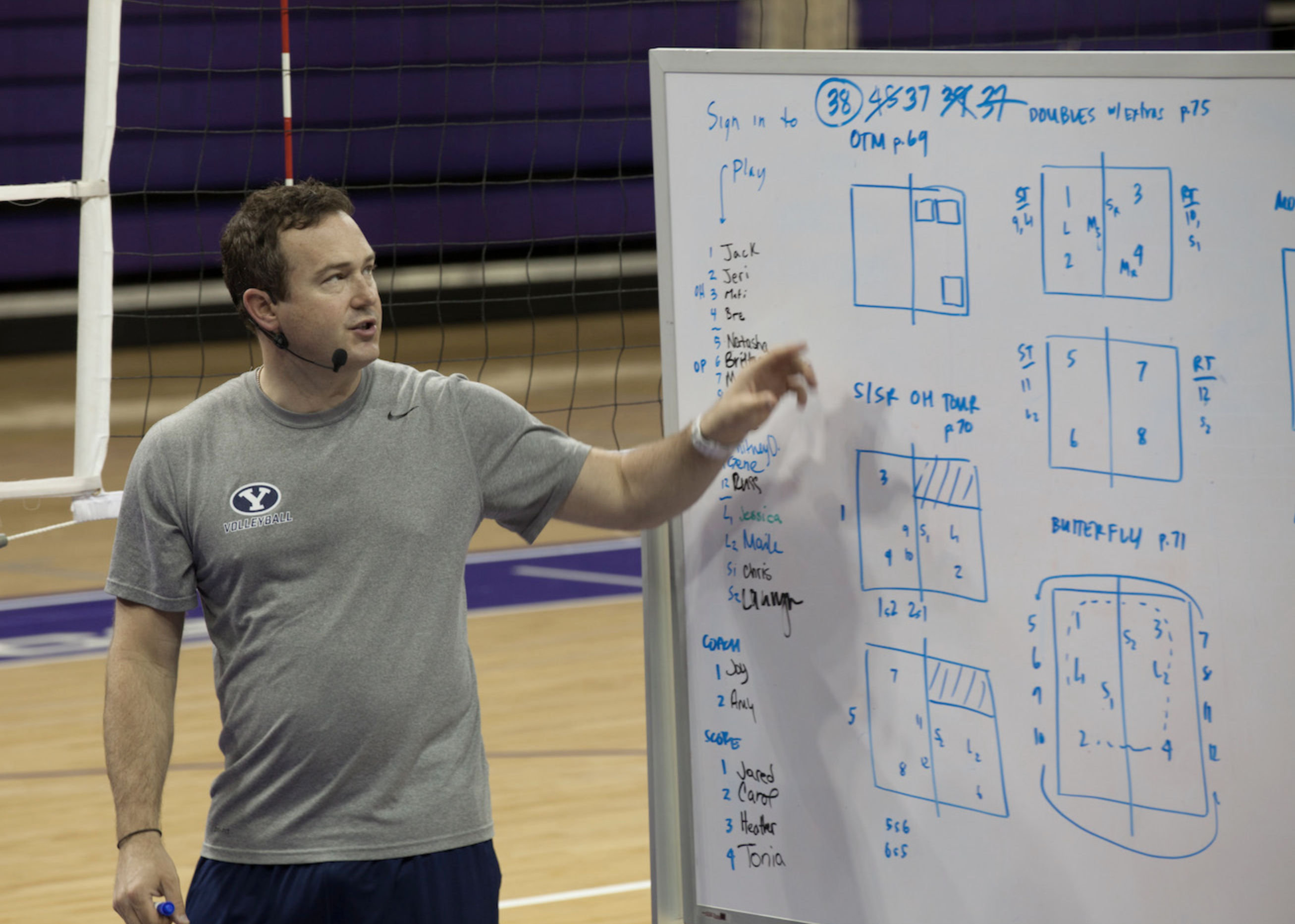
Coaches of all levels might consider using mind maps to maximize their potential to focus players and coaches on specific aspects of a practice activity. Mind maps have significant potential to assist in organizing practice activities, involve the players in establishing a cognitive path (or map) for improvement, and provide a greater understanding of the components of quality skill execution and team play.

Hello, everyone! Several coaches provided some positive feedback on the video library. I’m glad that the library is providing a resource that is readily accessible. I’ll be putting a video of the week in the newsletter, but you can access the video library at your convenience. On a different note, I enjoy the men’s and women’s NCAA basketball tournaments. I relish the possibility of the “Cinderella” team making it to the Final Four. However, no team from a mid-major conference made it to the regionals. Hopefully, this will not be a trend that will include volleyball. However, I have no reason to believe that volleyball can fight this trend.
Hello, everyone! I’m changing the newsletter’s format, hopefully streamlining your reading. Each newsletter will have three thoughts for you to consider in your coaching. They will be brief, but hopefully, you will find them interesting and worth trying in your practices. A spoiler alert: I avoid preaching about the “right” way to do things. I prefer to present ideas that you can experiment with in your practices. Lastly, I will be uploading videos that you will be able to access for free. Each newsletter will have a link for the latest upload(s).

Before a player can receive a serve and run a quick set like Ngapeth, there is the ability to have good reception and spiking mechanics. Before Carlini could make a great set while going to the floor, she had developed the floor skills that would expand her range on defense or, in this case, setting. Before the Italian libero executes a bump set to their quick hitter, forearm ball control has been developed.
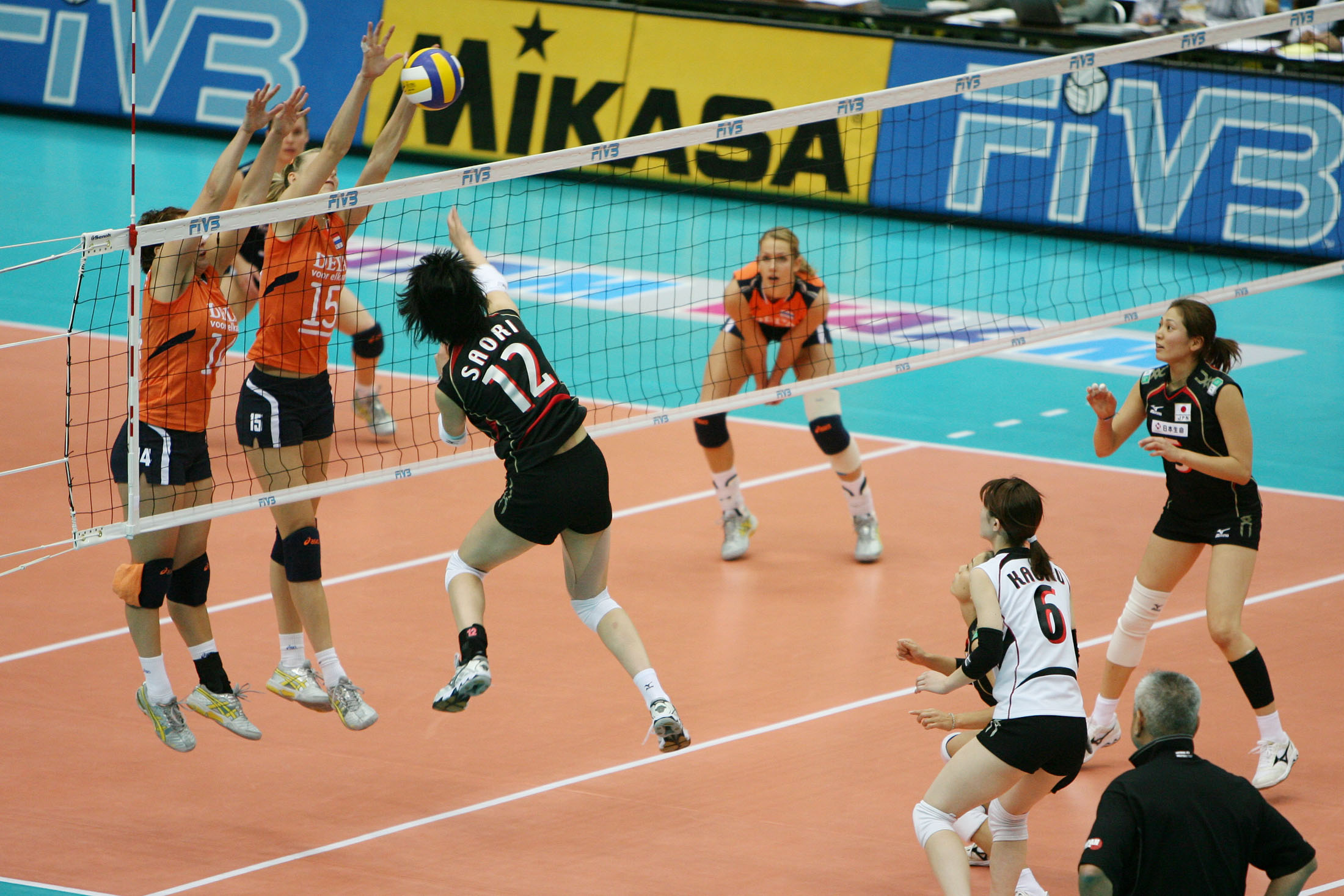
Every time a player jumps to hit, block, or serve, the forces impacting their muscular and skeletal systems are eye-popping. Based on a typical value calculation (using a 150-lb. female athlete), the force impacting the athlete during landing is approximately 600 pounds. In addition, approximately 300 pounds of force are incurred when the player leaves the ground.

Coaches tend to rely solely on verbal feedback, but one could argue that verbal communication is not the most reliable form of feedback. Words can be easily misconstrued. Experimenting with new feedback methods merely requires the coach to possess an adventurous spirit and a willingness to try new things.

Much to my detriment, I never kept a journal while coaching collegiately. I mistakenly thought journaling was for nerds or teenagers with loads of angst. Besides, who has the time? The thought of scribbling in a notebook positively impacting my coaching skills was nowhere on my radar. I began to keep a daily journal during my work with the USA U-18 team.

On a recent sunny, warm day in Fort Collins, I sat for an hour watching a crew of skateboarders doing their thing at a local park. They were all stretching their limits, trying new skills, helping one another with tips, and were focused on performing cool stuff. I wondered, “why can’t volleyball players practice like this.”
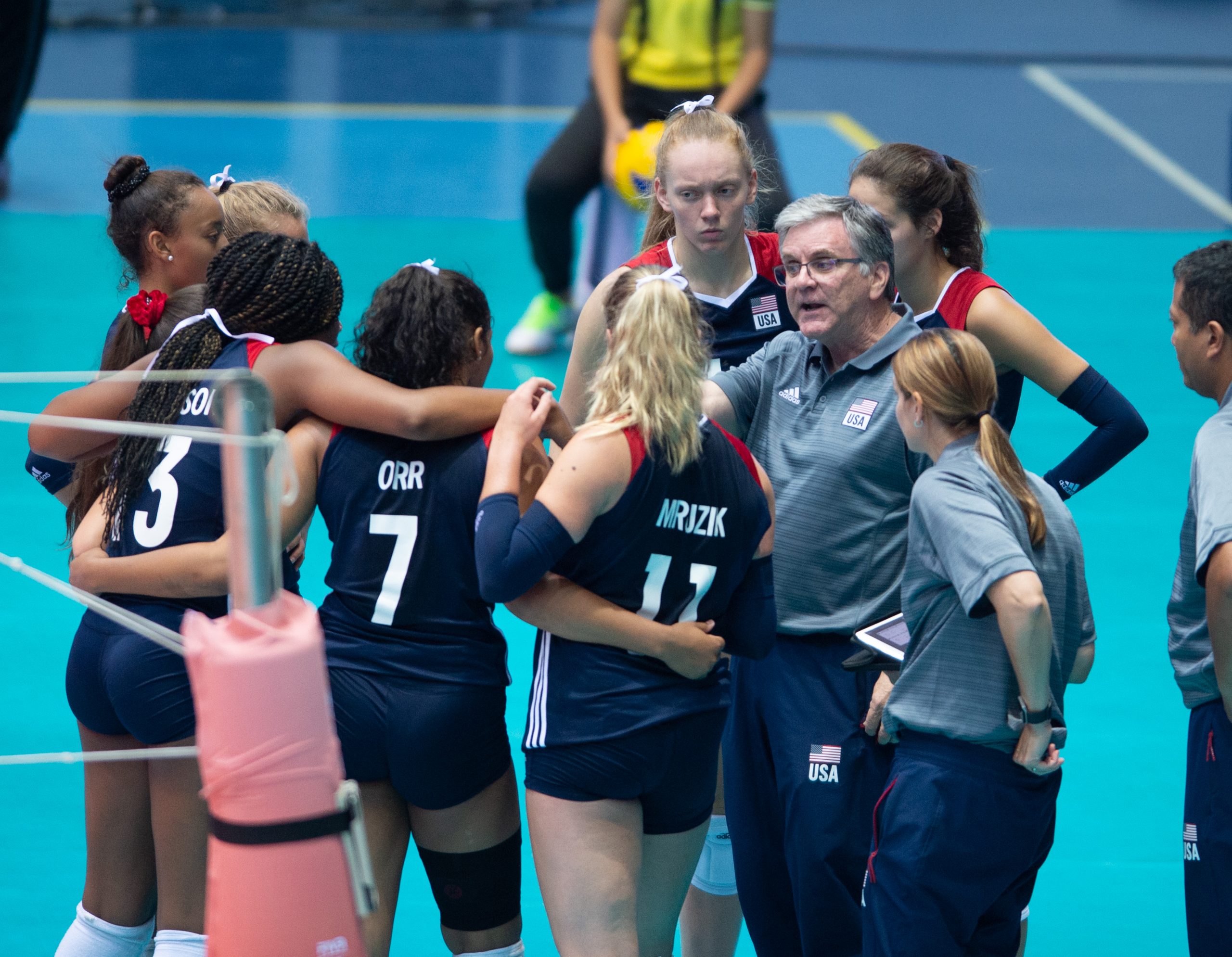
Regardless of your coaching philosophy or methods, common factors will facilitate learning. First, all your activities must be organized to provide the quality repetition required to facilitate skill development. Second, feedback is essential for the player to celebrate the small steps that are the building blocks for skill development. Finally, the coach’s enthusiasm is contagious and is essential to a positive learning environment. Of course, there are other components to running a good practice. However, these are the foundation: repetition, feedback, and enthusiasm.